Commercial Waste Removal in Hanwell
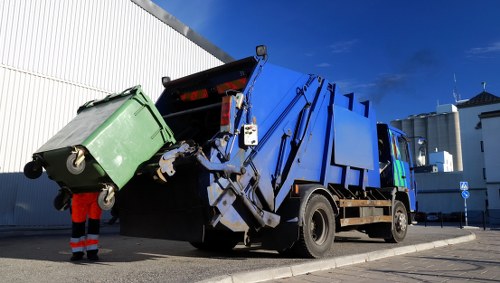
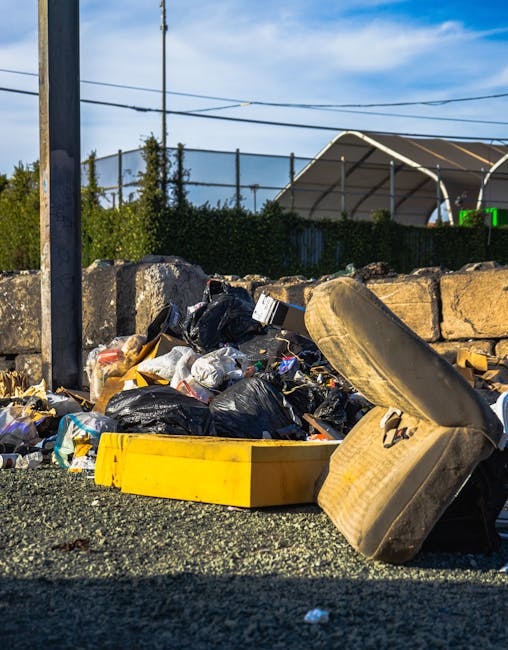
Commercial waste removal in Hanwell should be straightforward for businesses that need waste collected responsibly and kept under control. We provide organised clearance for everyday office rubbish, mixed commercial waste, bulky items and recyclables, with a service shaped around practical disposal rather than disruption. The aim is to make it easier to keep work areas clear, separate materials sensibly and arrange collections that suit the pace of the site.
That can include recurring or one-off collections for workplaces, shops, workshops and other commercial premises. We handle waste streams that commonly build up in active business settings, from packaging and unwanted fixtures to general rubbish generated during moves, refits or routine operations. If you need a quotation, start with the type of waste, the amount involved and the access to the premises.
For a clear plan, tell us what needs removing, when it is ready, and whether there are loading restrictions, stairs or shared access points. A few details are usually enough to outline a sensible collection. If you are comparing options, our team can discuss the right service level and help you decide what should go on a collection list and what can stay in place.
Business waste collections arranged around day-to-day operations
Business waste collections work best when they fit the way a site already operates. Our service can suit offices, retail units, light industrial premises and other commercial locations where waste accumulates faster than ordinary household disposal can handle. The collection may involve mixed rubbish, packaging, unwanted furniture or leftover materials from a fit-out, but the approach stays focused on safe handling, responsible loading and sensible transfer for disposal or recycling.
We can help with regular clearances or ad hoc collections, depending on the pattern of waste at the premises. A structured collection plan is often useful where waste volumes change through the week, while a one-off removal is usually better for projects, clear-outs or end-of-tenancy changes. If you are planning ahead, our quotation discussion can cover the likely volume, the ease of access and any separation needed for different material types.
What is usually included in a commercial collection
Typical items can include cardboard, packaging, broken office furniture, shelving, old stock, archive-related waste, desk-side rubbish and general commercial refuse. Some premises also need help with heavier or awkward items that cannot simply be bagged and moved without disruption. Where materials need sorting, we can keep the process orderly so the right waste is directed to the appropriate route.
Office waste removal for workplaces and shared premises
![A row of four large green wheeled rubbish bins with open lids, filled with tightly packed black plastic waste bags, positioned on a concrete surface in an outdoor industrial or commercial area. The bins are arranged side by side, with the first three having their lids raised, revealing the filled bags inside, while the fourth bin on the right is partially closed. Behind the bins, there is a grey industrial building facade with a roller shutter door on the left and a section of grey wall. To the left of the bins, white cinder blocks are stacked on the ground beside a black and yellow striped safety border on the shutter. The scene depicts typical waste collection and disposal activity, possibly in a Hanwell commercial district, highlighting the work of [COMPANY_NAME] in rubbish removal services for local businesses and properties.](/pub/_photos/rubbish/f1470119224.jpg)
Office waste removal is useful when workspaces need clearing without stopping normal activity. That might involve old desks, chairs, filing units, screen packaging, surplus stationery waste or general clutter from reorganising a floor. We can work from a brief description of the contents and the building layout, then shape the removal so the waste can be taken away efficiently and with minimal inconvenience to the rest of the site.
Many office clearances benefit from separating reusable or recyclable materials from general rubbish. Cardboard, metals, plastics and paper often need different handling from broken fixtures or mixed waste. If your premises includes storage rooms, meeting spaces or back-office areas, we can discuss which parts of the waste load are straightforward and which may need a little more planning before collection day.
To keep the process simple, it helps to identify any items that need special handling, such as confidential paperwork, fragile equipment or furniture that must be removed in stages. Please prepare a short list of the main items and note any access details that could affect loading. That makes it easier to organise the work properly and provide a quotation that reflects the actual job.
Furniture disposal and disposal of bulky office items
Furniture disposal is often needed when a workspace is being refitted, downsized or refreshed. We can remove bulky commercial furniture such as desks, chairs, storage units, tables, cabinets and other large items that are awkward to dismantle or transport without assistance. The service is designed to move these items out of the way and send them on through the right disposal route, rather than leaving them to take up valuable floor space.
Where furniture is still in usable condition, the best handling route may be different from damaged or worn-out items. We can discuss whether pieces are part of a mixed clearance or a more focused furniture collection. If there are fittings that need to be taken apart before removal, it is helpful to mention them early so the plan includes enough time and the right equipment for the task.
- Office desks, chairs and workstations
- Cabinets, shelving and storage units
- Meeting tables and reception furniture
- Mixed bulky items from refits or clear-outs
Builders waste and project clear-up support

Builders waste removal is suitable for commercial premises after refurbishment, maintenance or small construction works. The waste can include offcuts, packaging, broken fixtures, old flooring, rubble-like materials and other jobsite debris that needs clearing once the work has moved on. We can remove mixed site waste and help keep the work area organised enough for the next stage of the project.
This kind of clearance is often about timing and access as much as volume. If waste is stacked near entrances, corridors or loading areas, the collection can usually be planned around those constraints. A clear description of the material mix is important, because construction-related loads may include items that need separate handling rather than being placed into one general pile.
Where a project creates a variety of waste types, it can help to separate them before collection. For example, packaging, timber, metal pieces and general debris may each be easier to manage if they are identified in advance. That allows us to provide a more useful quotation and reduces uncertainty when the collection is arranged.
About Hanwell
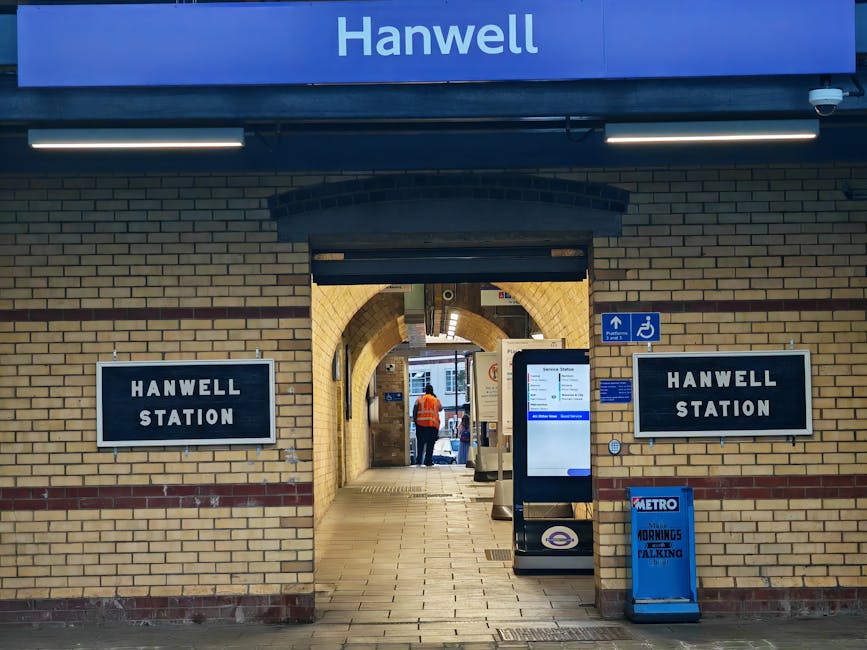
Hanwell is a district in the London Borough of Ealing, in West London, with a long settlement history that predates modern suburban expansion. The area is closely associated with the course of the River Brent and the Grand Union Canal, both of which shape its landscape and its sense of movement through the west of the capital. Hanwell Station sits on the Great Western main line corridor, while the nearby Boston Manor and West Ealing corridors connect it to the wider urban fabric of Ealing and Brentford. The locality also contains a mix of older village-scale streets and later housing, reflecting layers of development over time rather than a single planned centre. St Mary’s Church is one of the best-known historic buildings in the area, and its tower is a recognisable landmark above the surrounding roads. The Hanwell flight of locks on the Grand Union Canal is another notable feature, marking a stretch of engineered waterways that links the district to the wider canal network. There are also green spaces and riverside routes that contribute to the area’s character, including access to open corridors along the Brent valley. In cultural terms, Hanwell retains a distinct community identity within west London, with local roads, residential pockets and transport links combining to give it a character that feels both metropolitan and comparatively settled.
Clearance for homes, flats and mixed premises
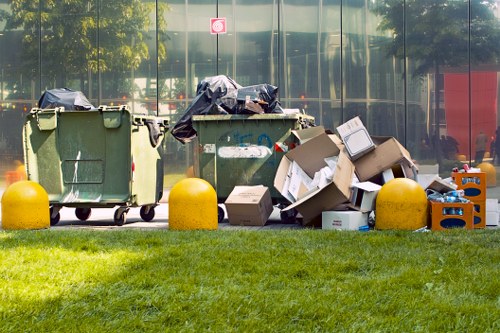
Although the main focus here is commercial waste removal, many jobs also involve mixed-use buildings, converted premises or small workplaces where domestic-style and business waste appear together. Home clearance, flat clearance and house clearance services can be relevant in those settings when furniture, household items or surplus contents need taking away alongside ordinary rubbish. The point is to match the service to the property type and the materials involved, rather than forcing everything into one narrow category.
Loft clearance and garage clearance are often useful where storage areas have become overloaded with old belongings, packaging or mixed rubbish. These jobs can support landlords, property managers and business owners who need an orderly clear-out before refurbishment or handover. If the waste includes a combination of household items and commercial clutter, the collection can be planned so that the removal remains practical and the premises are left ready for the next step.
For a smooth enquiry, it is sensible to note what is to be removed, where it is located and how it can be reached. That single description often covers the main decisions needed for a quotation. If you are unsure whether an item should be classed as furniture, general waste or a separate material type, we can help you sort that out before the collection is booked.
Specialist removal for appliances, mattresses and other difficult items
Some commercial premises accumulate items that are awkward to move or need a more specific disposal route. Fridge and appliance removal can be relevant when staff kitchens, break rooms or service areas are being cleared. Mattress and sofa disposal can also apply where furnished accommodation, waiting areas or mixed-use sites need bulky soft items removed as part of a broader clearance.
These items are often heavier or more cumbersome than general rubbish, and their size can make manual handling less straightforward. If a workplace has moved on from older appliances or soft furnishings, it helps to identify which items are still intact and which are already damaged. That way, the removal can be organised around the actual condition of the waste, not a guess about what is involved.
Where several bulky items are ready at the same time, grouping them for collection can be more efficient than requesting separate visits. A short note about the item types, quantities and access arrangements is usually enough to start a quotation. One clear list tends to be more helpful than several scattered messages, especially if the premises includes multiple rooms or storage points.
Recycling, segregation and responsible handling
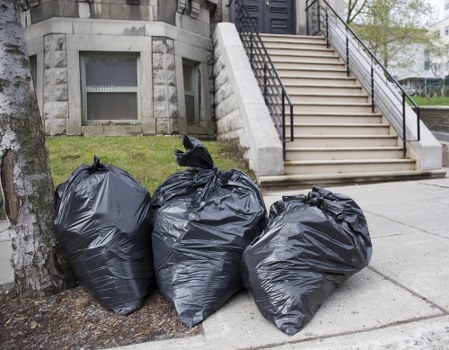
Recycling and sustainability matter in commercial waste removal because many business loads contain a mix of recoverable and non-recoverable materials. Cardboard, paper, metals, plastics and some furniture components may be suitable for different treatment paths from general rubbish. We can help keep the collection organised so that materials are handled in a way that supports responsible disposal and avoids unnecessary mixing.
Where a business produces confidential or specialist waste, it is important to choose the right route from the start. Confidential shredding can be relevant for paperwork that should not be left in ordinary mixed waste, while hazardous waste disposal requires a separate approach for items that need special handling. Not every clearance will involve these materials, but when it does, the waste stream should be identified clearly before collection day.
Useful quotation details usually include the rough amount of waste, the kinds of items involved, the collection point and whether anything needs separating beforehand. If there are recycling targets or sorting preferences at the premises, mention those too. That helps our team shape a collection that is practical and proportionate to the job.
Pricing, access and how to request a quotation
Pricing for commercial waste removal is usually influenced by the amount of material, the type of waste, the labour needed to move it and the access available at the property. A straightforward load from an easy-access ground-floor location is very different from a clearance involving stairs, tight corridors, multiple rooms or heavy bulky items. If your site has loading restrictions or shared entrances, those details are worth including from the outset.
Our pricing and quotes page can help when you want to compare the practical factors before arranging a collection. The same applies to our book online option if you prefer to move quickly once the waste list is ready. For the clearest result, keep your note concise but specific: item types, approximate quantity, access, and whether the collection is urgent or flexible.
Need help with a commercial clearance in Hanwell? Request a quotation or get in touch and we will help you decide the simplest way to arrange the removal.