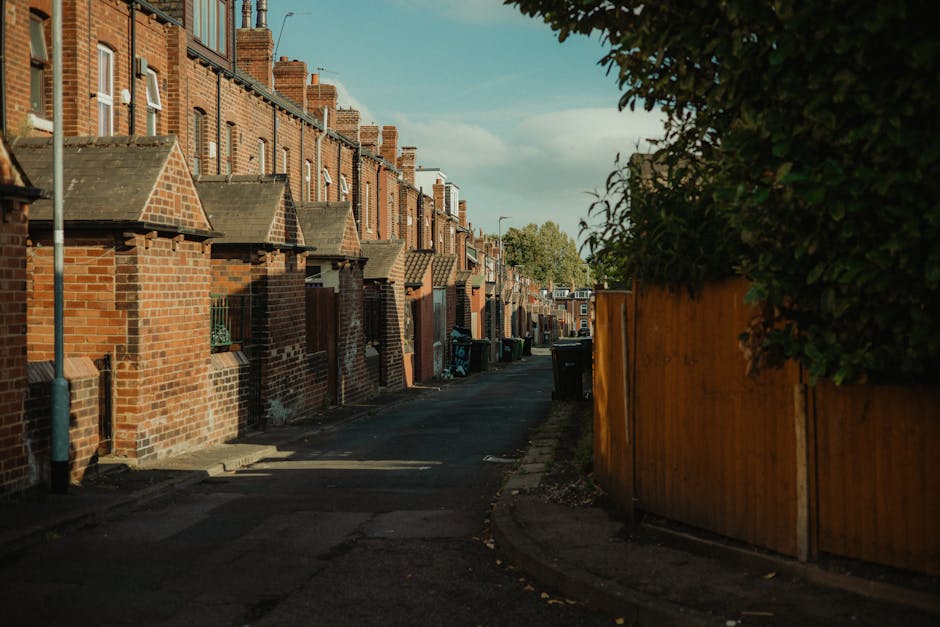
Hanwell Church Road rubbish removal guide for W7 homes

If you live on or near Hanwell Church Road, rubbish tends to build up in the usual, everyday way: a broken wardrobe after a flat move, garden cuttings after a Saturday clear-out, a loft full of "I'll deal with that later" boxes, or building waste from a quick refresh. The Hanwell Church Road rubbish removal guide for W7 homes is here to make that mess feel manageable. Not perfect. Just manageable. And that's often the difference between a stressful weekend and a clean, calm reset.
Whether you are clearing a family house, a small flat, a rental property, or a home office, the main questions are usually the same: what can go, how fast can it be taken away, what should be separated, and how do you avoid awkward surprises on the day? In this guide, we walk through the practical side of rubbish removal in plain English, with local context, sensible best practice, and a few useful reminders that save time and hassle.
- Why Hanwell Church Road rubbish removal guide for W7 homes matters
- How it works
- Key benefits and practical advantages
- Who this is for and when it makes sense
- Step-by-step guidance
- Expert tips for better results
- Common mistakes to avoid
- Tools, resources and recommendations
- Law, compliance, standards, and best practice
- Options, methods, and comparison table
- Case study or real-world example
- Practical checklist
- Conclusion
- Frequently asked questions
Why Hanwell Church Road rubbish removal guide for W7 homes matters
Hanwell Church Road is the kind of place where homes can collect waste quickly, especially if you are juggling work, family, commuting, school runs, or a renovation that keeps stretching out by a week. The issue is not just the sight of clutter. It is the knock-on effect: blocked hallways, unsafe walkways, limited storage, and the odd smell that appears when old soft furnishings, food waste, or damp cardboard has been left too long. To be fair, most people do not notice how much the rubbish is affecting them until it is gone.
A good rubbish removal plan matters because it gives structure to a job that can otherwise sprawl. Instead of loading the car five times, trying to guess what goes where, or leaving bulky waste against the wall "until next weekend," you can deal with the lot in one go. That is especially helpful for W7 homes with limited drive space, narrow access, shared entrances, or parking that makes loading a bit of a faff.
It also matters because not all waste is the same. A pile of old kitchen units is not the same as a bag of general rubbish. A sofa is not the same as rubble. Fridge disposal has different handling needs from garden cuttings. Once you understand the categories, you avoid delays, reduce the chance of rejected items, and keep the process cleaner and safer.
Practical takeaway: the most efficient rubbish removal jobs are planned around access, waste type, and timing - not just volume.
How Hanwell Church Road rubbish removal guide for W7 homes works
Most domestic rubbish removal in W7 follows a simple pattern, even if the property itself is anything but simple. First, you identify what needs to go. Then you split items into rough groups: general waste, bulky items, recyclables, garden waste, building waste, electricals, and anything potentially hazardous. After that, the collection is arranged, the team arrives, and the waste is loaded, swept up, and taken away. Straightforward, but the details matter.
For many homes, the biggest advantage of a professional clearance is flexibility. You are not locked into a one-size-fits-all solution. A small flat clearance, a larger house clearance, or a mixed load from a garage and loft can be handled as one visit if the waste stream is clear enough. If your job includes furniture, it may make sense to look at furniture clearance or furniture disposal options rather than treating everything as mixed rubbish.
And if the job has grown teeth - builders' rubble, ripped-out tiles, plasterboard, timber, broken fixtures - then a more targeted approach is usually best. That is where builders waste clearance becomes relevant, because mixed renovation waste needs a different plan from routine household junk. Let's face it, a bathroom refit can create more bags and debris than most people expect.
One small but important point: accessibility changes everything. If waste can be carried straight out to the vehicle, the job is faster. If it has to come down three flights of stairs, through a tight corridor, or around parking restrictions, allow a bit more time and give clear instructions in advance.
Key benefits and practical advantages
Rubbish removal is not only about getting rid of stuff. It is about restoring usable space, lowering stress, and making the property easier to live in. For W7 homes, that can be surprisingly valuable because space is precious and access can be awkward. A clear home tends to feel brighter, less cluttered, and easier to clean. Even the sound changes a bit - less dragging, less thudding, fewer footsteps around piles of stuff.
Here are some of the main advantages:
- Time saved: one collection is usually faster than many small tip runs.
- Less physical strain: no repeated lifting into a car boot or rental van.
- Cleaner finish: good clearances include tidying the area afterwards.
- Better space use: especially useful in lofts, garages, and spare rooms.
- Safer handling: bulky, sharp, damp, or heavy items are dealt with properly.
- More predictable planning: you know when the space will be cleared, which helps if decorators, movers, or tenants are involved.
For many households, the emotional benefit is just as real as the practical one. A cleared room can change how a home feels. A spare room stops being storage and starts being a spare room again. Funny how that works, really.
If you want a broader overview of domestic support, the site's home clearance and house clearance pages are useful if the job has turned into a larger property reset rather than a simple rubbish pickup.
Who this is for and when it makes sense
This guide is for anyone in W7 who has waste that is too bulky, too much, or simply too awkward to deal with through normal household routines. That includes homeowners, tenants, landlords, letting agents, small developers, and people helping an older relative clear a property. Truth be told, the most common pattern is not a giant one-off disaster. It is a gradual build-up that suddenly becomes urgent.
Rubbish removal tends to make sense when:
- you are replacing furniture and need the old pieces removed;
- a loft, garage, or shed has become packed with mixed junk;
- you have been doing decorating or light building work;
- you are moving out and need a fast clear-out;
- you have garden waste after pruning, landscaping, or end-of-season tidying;
- you need a flat cleared between tenancies;
- you have awkward items like appliances or mattresses that are difficult to move alone.
It also makes sense if you have limited transport. A lot of W7 residents simply do not have the time, vehicle size, or lifting help to make repeated trips worthwhile. If you are dealing with large items, mattress and sofa disposal or fridge and appliance removal can save you a very real headache.
One local scenario comes up again and again: someone clears out a front room on Friday evening, stands back, and realises there are three more spaces attached to the same problem. At that point, a proper removal plan is usually the sane option. No shame in that.
Step-by-step guidance
If you want the process to go smoothly, keep it simple and systematic. The best rubbish removal jobs are the ones where the load is prepared before the collection arrives.
- Walk through the property. Check every room, cupboard, loft access point, garden corner, and storage area.
- Separate waste by type. Keep furniture, general rubbish, green waste, electrical items, and building debris apart where possible.
- Identify any restricted items. Hazardous materials, sharp items, or anything unusual should be flagged early.
- Measure awkward pieces. If a sofa, wardrobe, or appliance is too bulky for tight stairs or corridors, mention it before the day.
- Clear access routes. Move shoes, bikes, bins, laundry baskets, and other obstacles out of the way.
- Confirm parking and timing. That little bit of planning can save more time than people expect.
- Be honest about volume. Overestimating is better than underestimating, especially for mixed loads.
- Check the finish. A good team will tidy loose debris, but you should still do a final look-around before they leave.
If the job is mainly containers, boards, rubble, or renovation leftovers, you may also want to understand what is allowed in a mixed skip-style load. The page on what can go in a skip is a handy reference point when you are comparing waste types.
And if you are collecting from a loft, take your time. Loft spaces have a way of hiding old cables, dust, insulation fragments, and boxes that crumble as soon as you touch them. It is never as tidy as it looked from the hatch. Never.
Expert tips for better results
A few small choices can make the whole job smoother. These are the kinds of details that are easy to miss if you have not done a clearance before.
- Take photos before you book: Not for drama, just for clarity. A few wide shots usually help with planning.
- Keep one "maybe" pile separate: This stops items being accidentally removed before you have had one last think.
- Prioritise access first: If the team can reach the waste easily, the job will usually move faster.
- Bundle recyclable materials together: Cardboard, metal, and clean wood are easier to manage when they are not mixed with general rubbish.
- Don't leave batteries loose in bags: They need careful handling and should never be mixed thoughtlessly with general waste.
- Use the right service for the right waste: For example, garden waste is easier to handle through garden clearance than by mixing it with old furniture and broken planters.
There is also a quiet efficiency to having one person in the household act as the point of contact. Too many cooks, as the saying goes. If three people are making last-minute decisions while a collection is waiting outside, the whole thing can get messy very quickly.
If you are clearing a property after tenants leave or before handing keys back, the goal is not just emptiness. It is a presentable, usable space. That is where a proper plan pays off.
Common mistakes to avoid
Most problems are avoidable. They happen because people underestimate the volume, forget access issues, or assume every item can be treated the same way. Here are the ones we see most often.
- Mixing all waste together: This makes sorting harder and can slow down the collection.
- Forgetting about staircases or narrow doors: A wardrobe that looks manageable in a bedroom may be a nightmare on the landing.
- Leaving bags outside too early: In shared streets, that can create complaints or attract passers-by to dump extra waste.
- Ignoring hazardous items: Paints, chemicals, batteries, and some appliances need special care.
- Not checking what is included: A quick confirmation beforehand avoids awkward surprises later.
- Assuming the cheapest option is best: Sometimes it is, sometimes it really is not. Hidden conditions matter.
One slightly annoying reality: waste jobs often go wrong not because the team is unprepared, but because the homeowner has been too optimistic about what can be carried, stacked, or sorted in one visit. Happens all the time.
That is why it helps to be specific. "A few bits and pieces" can mean anything from two bin bags to a full room of furniture. Be a bit blunt about it. It helps everyone.
Tools, resources and recommendations
You do not need a van full of specialist kit to prepare for rubbish removal, but a few simple tools make a difference. The aim is to reduce friction before collection day.
- Strong bags or rubble sacks: useful for mixed general waste, smaller debris, and loft clear-outs.
- Labels or marker pens: ideal for separating keep, donate, recycle, and remove piles.
- Gloves: especially important for dusty lofts, gardens, and older storage rooms.
- Trolley or sack truck: helpful if you are moving heavy items internally before collection.
- Measuring tape: very handy for confirming whether a bulky item will actually fit through a doorway.
For service-based support, a few pages on the site are worth knowing about. If your home project is turning into a larger clear-out, flat clearance is useful for compact properties, while loft clearance and garage clearance cover those hidden spaces that quietly collect years of stuff.
If you are dealing with office furniture, paperwork, or a home office refresh, there is also office clearance and confidential shredding for sensitive documents. That latter one is a big relief when you have paper files from old addresses or small business records piled in a drawer.
Law, compliance, standards, and best practice
Waste removal is not something to take casually. In the UK, householders still have a duty to make sure their waste is handed to a legitimate carrier and that waste is dealt with responsibly. You do not need to turn this into a legal research project, but you should ask sensible questions and expect clear answers.
Best practice usually includes the following:
- confirming that the waste is being handled by an appropriate, traceable service;
- keeping hazardous items separate where possible;
- being honest about mixed waste, especially if some of it may need special handling;
- following site and access instructions carefully for safety;
- making sure furniture, appliances, and sharps are moved with care.
For jobs with sharp edges, broken materials, damp waste, or heavy lifting, a company's safety approach matters. Pages such as health and safety policy and insurance and safety help show what good practice looks like, even if you never think about them again after booking. Which, frankly, is the goal.
If your waste includes items that could be harmful, such as chemicals, oils, or certain electrical components, check the handling policy first. The hazardous waste disposal page is the right place to start for those edge cases. When in doubt, do not guess. That is the simple rule.
Options, methods, and comparison table
There is more than one way to clear rubbish from a W7 home. The right method depends on volume, item type, access, and how much time you want to spend doing the heavy lifting yourself.
| Method | Best for | Advantages | Trade-offs |
|---|---|---|---|
| Self-loading and tip runs | Small, light loads and flexible schedules | Can work for very small jobs | Time-consuming, requires transport, repeated lifting |
| Skip-style loading | Renovation debris, mixed building waste, longer projects | Handy for ongoing work | Space and permit considerations, not ideal for awkward access |
| Man and van style rubbish removal | Household junk, bulky furniture, mixed clearances | Fast, flexible, little effort from the homeowner | Needs good upfront description of the load |
| Targeted service by waste type | Furniture, appliances, garden waste, lofts, garages | Cleaner sorting, better handling for specific items | May require more than one service if waste is mixed |
If you are unsure which method fits your situation, start with the waste itself. The waste type usually decides the method, not the other way around. That sounds obvious, but people often do it backwards.
For pricing and planning, the page on pricing and quotes is a useful point of reference when you want to understand how jobs are assessed. If you prefer to get things moving quickly, book online can be a practical next step once you know what needs removing.
Case study or real-world example
A typical W7 example goes like this. A couple on Hanwell Church Road had been using the spare room as storage while decorating the front of the house. By the end of the project, the room held a dismantled bed frame, two wardrobes, old shelves, a broken chest of drawers, three bags of mixed clutter, and a small pile of paint-stained cardboard. Nothing dramatic. Just the kind of pile that quietly gets in the way of normal life.
They started by separating what was definitely going, what might be donated, and what needed careful handling. The wardrobes were measured against the hallway. One of them was too wide to take apart neatly, so that was flagged early. The paint items were kept apart from general rubbish, and the loose cardboard was flattened. The result was a much cleaner removal day because there were no guesswork moments at the door.
By lunchtime, the room was clear. The floor could finally be hoovered properly, the windows opened, and the smell of old dust was gone. Small detail, but it mattered. The room looked bigger immediately. That is usually the moment people say, "Why didn't we do this sooner?"
In cases like this, the most useful lesson is simple: prepare the waste before the collection, not after the truck arrives. The difference is huge.
Practical checklist
Use this checklist the day before your collection or clearance.
- Have you listed every room and storage area that contains waste?
- Have you separated furniture, general rubbish, garden waste, and building debris?
- Have you flagged any appliances, mattresses, or fragile items?
- Have you checked for anything hazardous or awkward to move?
- Are hallways, stairs, and doorways clear enough for carrying items out?
- Have you confirmed parking or access instructions?
- Have you measured bulky items that might need dismantling?
- Have you kept documents or personal items separate?
- Do you know which items are staying and which are definitely leaving?
- Have you got a final walk-through plan before the team leaves?
For homes with mixed items, especially furniture and appliances, it can help to look again at home clearance, furniture disposal, and fridge and appliance removal so you can align the job with the right service type.
Conclusion
The best Hanwell Church Road rubbish removal guide for W7 homes is one that keeps things practical: understand the waste, separate what can be separated, prepare access, and choose the method that fits the job rather than the other way around. That approach saves time, reduces stress, and usually gives you a cleaner result with fewer surprises. Simple, but effective.
Whether you are clearing a single bulky item or resetting an entire room, the main thing is to start with a sensible plan. Once the clutter is out of the way, the house feels lighter. You notice the extra floor space, the better light, even the peace of it. And that, honestly, is worth a lot.
If you are ready to make the job easier, look over the relevant service pages, compare your waste type, and book a time that fits your week. The sooner the load is defined, the sooner the space starts working for you again.
Get a free quote today and see how much you can save.
Frequently Asked Questions
What is included in rubbish removal for a W7 home?
It usually includes collection, loading, removal, and disposal of household junk, bulky items, mixed waste, furniture, and other non-hazardous materials that have been agreed in advance.
How do I know whether I need rubbish removal or a full clearance?
If you are dealing with just a few items, rubbish removal may be enough. If whole rooms, lofts, garages, or multiple categories of waste are involved, a fuller clearance is often the better fit.
Can furniture and appliances be removed at the same time?
Yes, in many cases they can. It helps to separate them mentally, though, because bulky furniture, white goods, and mattresses may need different handling on the day.
What should I do with hazardous or sharp items?
Do not mix them into general waste. Keep them separate and check the correct handling route before collection. If you are unsure, flag them early so they are not missed.
Is garden waste handled differently from household rubbish?
Usually yes. Green waste, soil, branches, and plant matter are often best kept separate from general junk and furniture because they may be sorted and managed differently.
How can I prepare a narrow Hanwell Church Road property for collection?
Clear hallways, move loose items out of the way, unlock access points, and measure large objects before collection day. Narrow homes are not a problem, but they do reward a bit of planning.
What happens if I underestimate the amount of rubbish?
The collection may need adjustment, which can affect timing or the scope of the job. A few extra photos or a fuller description beforehand usually prevents that.
Can I mix builder's waste with old furniture?
You can sometimes have mixed loads, but it is better to mention them clearly. Builders' rubble, timber, and decoration waste are often managed differently from sofas, wardrobes, or mattresses.
Do I need to move everything to the kerb before collection?
Not necessarily. Many collections are arranged from inside the property, which is often much easier for the homeowner. Just make sure the team can access the items safely.
How long does a typical home rubbish removal take?
That depends on the amount, the access, and the mix of items. A small clear-out might be quite quick, while a full property or loft job may take longer. Access is usually the biggest variable.
What should I do with papers and personal documents?
Keep them separate from general waste and consider secure handling. If you have a lot of sensitive paperwork, confidential shredding is the better route than simply binning it.
What is the best first step if I am overwhelmed by clutter?
Start with one room, one pile, or one category of waste. Do not try to solve the whole house in ten minutes. A small, steady start is usually enough to get momentum going.