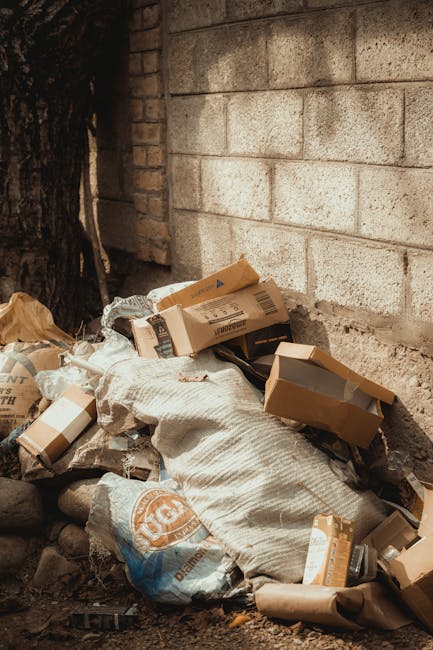
Elthorne Park Hanwell rubbish pickup rules and waste removal: a practical local guide
If you are sorting out a pile of bins, bagged rubbish, broken furniture, or renovation debris in Elthorne Park, Hanwell, the rules can feel oddly fiddly. One minute you are thinking about a quick clear-out; the next you are wondering what can go out, what should stay in, and whether you need a proper waste removal service at all. That is exactly why this guide to Elthorne Park Hanwell rubbish pickup rules and waste removal matters. It gives you a clear, sensible path through the usual headaches: timing, presentation, bulky items, recycling, and the situations where a professional collection makes life much easier.
Truth be told, most rubbish problems are not dramatic. They are just inconvenient. A mattress leaning in a hallway. A garage that has become a storage mystery. A refurb job that ended with rubble, timber offcuts, and a very tired-looking bin bag. So let's make this straightforward.
In this article, you will find local-minded guidance, a simple step-by-step process, practical mistakes to avoid, and the best ways to handle waste removal without overcomplicating it.
- Why the rules matter
- How rubbish pickup and waste removal work
- Key benefits and practical advantages
- Who this is for
- Step-by-step guidance
- Expert tips
- Common mistakes to avoid
- Tools, resources and recommendations
- Law, compliance and best practice
- Options and comparison table
- Real-world example
- Practical checklist
- Conclusion
- Frequently asked questions
Why Elthorne Park Hanwell rubbish pickup rules and waste removal Matters
Waste rules are there for a reason, even if they sometimes feel like a nuisance on a busy weekday morning. In a place like Elthorne Park, where homes, flats, side streets, and shared access spaces often sit close together, badly presented rubbish can cause very quick problems: blocked pavements, pests, missed collections, and that lovely smell you notice before you even see the bags.
Understanding the rules helps in a few practical ways. First, it keeps you on the right side of expected local collection practices. Second, it reduces the chance of bins being left behind. Third, it helps you decide when a standard rubbish pickup is enough and when you actually need a broader waste removal service.
There is also the neighbour factor. A neatly staged, well-sorted collection tends to go smoothly. A pile of mixed waste dumped next to the kerb at the wrong time? Not so much. And if you live in a block, that small mistake can affect everyone.
Key takeaway: the better you understand what belongs in a normal pickup, what needs special handling, and what should be booked as a dedicated clearance, the less time, money, and stress you will spend later.
If you are dealing with a larger clear-out, it is often worth reviewing the range of options available through waste removal support and, where relevant, specialist services such as house clearance or office clearance.
How Elthorne Park Hanwell rubbish pickup rules and waste removal Works
At a practical level, rubbish pickup usually falls into two broad buckets: what your normal collection can take, and what needs a separate collection or disposal route. That distinction sounds obvious, but it is where most confusion starts.
For standard household rubbish, the general expectation is that waste should be separated, contained, and placed out in the right way at the right time. Different collection systems may apply depending on the property type, the bin type provided, and whether you are on a street with kerbside collections or managing waste within shared premises.
Waste removal, by contrast, is broader. It can cover items that are too bulky, too heavy, too awkward, or too varied for the usual bin system. Think sofas, wardrobes, broken appliances, mixed garage clutter, garden waste, or builders' debris. In those situations, a dedicated collection is often cleaner, safer, and faster.
Here is the simple way to think about it:
- Identify the waste type. General rubbish, recycling, food waste, bulky items, garden waste, or construction waste all behave differently.
- Check what needs separating. Clean cardboard is not the same as food-soiled packaging, and rubble is not the same as household rubbish.
- Choose the right method. Standard pickup, bulky waste collection, or full waste removal.
- Prepare the items properly. Bag, bundle, box, or stack in a safe and accessible way.
- Book the collection or put the waste out correctly. Timing matters more than people think.
One thing people often overlook: access. A front garden path, communal entrance, narrow staircase, or parked cars can turn a simple collection into a slow one. In real life, that is where a little planning saves a lot of back-and-forth.
If your waste includes awkward items like appliances or old furniture, the dedicated pages for fridge and appliance removal and furniture disposal are useful starting points.
Key Benefits and Practical Advantages
There are obvious benefits to getting rubbish out of the way, but the real value is often in the boring stuff. And boring is good here. It means fewer issues.
- Cleaner kerbside presentation: Waste that is sorted properly is far less likely to be rejected or scattered.
- Less clutter indoors: A blocked hallway or spare room affects everyday life more than you notice at first.
- Safer movement: Loose waste, sharp edges, and overloaded bags can be a hazard, especially on stairs or narrow paths.
- Better recycling outcomes: Separating reusable and recyclable materials helps reduce unnecessary disposal.
- Faster clear-downs: A proper waste removal plan saves you from repeated trips to the bin store or tip.
There is also a time-saving benefit that people only appreciate once the job is done. You can spend an entire Saturday trying to tackle a mountain of mixed waste, or you can use a structured collection approach and reclaim your weekend. No contest, really.
For larger projects, especially where waste is mixed or generated in stages, it can help to compare a few routes. A small bin load, a bulky item pickup, and a full clearance are not interchangeable. More on that later.
Who This Is For and When It Makes Sense
This topic matters to a pretty wide mix of people in Elthorne Park and Hanwell. If you recognise yourself in any of these, you are in the right place.
- Homeowners clearing out old furniture, loft clutter, or garden waste
- Tenants moving out and trying to avoid leaving a mess behind
- Landlords and agents preparing a property between occupancies
- Business owners dealing with office clutter, packaging, or routine commercial waste
- Builders and trades who need debris taken away quickly and safely
- Families doing a deep sort of a garage, shed, or spare room
It makes sense to get help when the job stops being a simple bin issue and starts becoming a logistical one. For example, if you have:
- more waste than your household bins can handle,
- bulky items that cannot be broken down easily,
- mixed materials that need separating,
- heavy items that are awkward to carry, or
- a deadline, such as a move-out day or inspection.
For business premises, the choice often comes down to consistency. If waste is steady, business waste removal may make more sense than ad hoc disposal. For one-off overspill, a targeted pickup can be enough.
Step-by-Step Guidance
If you want to get this right the first time, keep the process simple and methodical.
1. Sort the waste into clear groups
Start by separating general rubbish, recyclables, garden waste, bulky household items, and anything potentially hazardous. This is where the job becomes manageable. A random heap is stressful; a sorted heap is just a task.
2. Check whether any item needs specialist handling
Some things need more care than others. Fridges, freezers, paints, solvents, fluorescent tubes, and similar materials should not be treated as ordinary rubbish. If in doubt, treat them separately and use a specialist route such as hazardous waste disposal.
3. Make sure items are accessible
Collections are easier when the waste can be lifted safely and reached without obstruction. Keep paths clear. If you have a staircase, gate, or shared entrance, check that it will not be blocked on collection day. It sounds minor. It rarely is.
4. Choose the right collection method
If the waste is bagged and suitable for normal pickup, present it accordingly. If it is bulky or mixed, a dedicated waste removal or clearance option is usually better. For old furniture, you may want to look at furniture clearance or mattress and sofa disposal.
5. Confirm any booking details in advance
Timing, access notes, item counts, and loading conditions matter. If a collection crew arrives and cannot safely reach the waste, that slows everything down. A five-minute check beforehand saves a lot of sighing later.
6. Keep proof and paperwork where relevant
For commercial clients especially, keep invoices, collection records, or transfer information where appropriate. It is just good housekeeping and helps if you need to show due diligence later.
For people who prefer to get everything handled in one go, book online is a straightforward way to arrange the job, especially if you already know what needs removing.
Expert Tips for Better Results
A few small habits make waste removal smoother straight away.
- Flatten packaging before you start. Cardboard and box waste takes up far less space once broken down.
- Keep heavy items low. If you are stacking for collection, don't create a toppy little tower that looks one sneeze away from collapse.
- Separate clean and dirty recyclables. A greasy pizza box and a clean cardboard carton are not equal in disposal terms.
- Use sacks, boxes, or bundles consistently. Mixed presentation slows collection and can lead to confusion.
- Plan around weather. A rainy morning can turn cardboard mushy and make outdoor stacking awkward.
A small but useful tip from real-life clearances: keep a "maybe" pile for items you are not yet sure about, then review it last. It stops you from throwing good stuff out too quickly. Happens all the time, especially during a rush move.
When the waste is mostly garden material, a dedicated garden clearance service is often cleaner than trying to mix it with general rubbish. Likewise, building debris is usually best dealt with through builders waste clearance rather than standard domestic disposal.
Expert summary: the best waste removal is rarely the one that looks quickest at first glance. It is the one that matches the waste type, the access conditions, and the collection method without leaving you with extra sorting afterwards.
Common Mistakes to Avoid
The usual mistakes are simple, but they create all the mess.
- Mixing hazardous and general waste. That is a big no, and it can complicate the whole collection.
- Overfilling bags. Heavy bags split. Split bags become spills. Spills become a headache.
- Leaving waste out too early. This can make the area look untidy and create problems with access or pests.
- Assuming everything can go together. It cannot. Not safely, and not always legally either.
- Not checking the item size. A "small" wardrobe is never quite as small once you reach the stairwell.
- Forgetting about the disposal route. Some waste types should be removed by specialist service rather than left for a normal bin collection.
There is also the classic mistake of underestimating volume. People glance at a pile and think, "That's only a few bags." Then the van door opens and the pile has somehow multiplied. Rubbish does that. It has a funny way of growing when you stop pretending.
Tools, Resources and Recommendations
You do not need a warehouse full of gear to manage a pickup well, but a few basic tools help.
- Strong refuse sacks for general waste
- Cardboard boxes for light, loose items
- Gloves for handling sharp or dusty materials
- Tape and marker pens for labelling where needed
- A step stool or trolley if you are moving awkward items safely
- Dust sheets if the waste sits near furniture or flooring you want to protect
For anyone comparing disposal routes, these pages are especially helpful:
- pricing and quotes for understanding how jobs are usually assessed
- recycling and sustainability for a clearer view of responsible disposal
- what can go in a skip if you are weighing up skip-style loading rules
- insurance and safety if you are concerned about risk during lifting or loading
For office clear-outs, confidential papers and archived documents deserve separate attention. In those cases, confidential shredding is the more sensible route than tossing sensitive files into mixed waste. Common sense, really.
Law, Compliance, Standards, or Best Practice
Waste removal in the UK sits within a broader duty of care culture, even when you are only dealing with a domestic clear-out. In plain English, that means you should be reasonably confident that waste is handled properly, passed to the right people, and not abandoned or dumped.
For businesses, that expectation is even more important. Keeping records, using suitable carriers, separating waste streams where practical, and handling special waste carefully are all part of good practice. The exact obligations vary depending on the type of waste and the setting, so it is wise to avoid guessing.
There are a few best-practice points worth remembering:
- Do not mix hazardous waste with ordinary rubbish.
- Store waste safely before collection. No loose sharp items on walkways, no leaking bags by the door.
- Use the right disposal route for appliances and bulky items.
- Keep commercial waste documentation where relevant.
- Follow the collection instructions carefully. It reduces rejected pickups and avoids unnecessary handling.
For employers, landlords, and managing agents, policies matter as much as the pickup itself. If you handle waste frequently, it is worth reviewing pages such as health and safety policy and terms and conditions so everyone understands the process and responsibilities.
And just to be clear, this section is about sensible practice, not legal advice. If a specific waste stream is unusual or risky, it is always better to treat it cautiously than to improvise.
Options, Methods, or Comparison Table
Choosing the right disposal method is easier once you can compare the options side by side.
| Method | Best for | Strengths | Watch-outs |
|---|---|---|---|
| Standard rubbish pickup | Routine household waste in the correct bins or bags | Simple, familiar, low effort | Limited capacity, strict presentation rules |
| Bulky waste collection | Single large items or a small number of awkward objects | Good for sofas, mattresses, white goods | May need advance booking and access planning |
| Full waste removal | Mixed loads, clutter, or larger clear-outs | Fast, flexible, less lifting for you | Needs clear item description and accurate volume estimate |
| Specialist disposal | Hazardous, confidential, or regulated waste | Safer and more compliant | Usually not suitable for ordinary rubbish |
If you are trying to clear a single item, a specialist route can be overkill. If you are clearing a whole room, the opposite is true. That is the balancing act.
For example, a flat with a mix of broken chairs, a mattress, and several bags of clutter is very different from a kitchen bin issue. In the first case, flat clearance or home clearance may be the better fit. In the second case, a standard pickup may be enough.
Case Study or Real-World Example
Here is a realistic example. A small two-bedroom flat near Elthorne Park has just been emptied after a long tenancy. The hallway contains a broken coffee table, two mismatched chairs, several black sacks of mixed clutter, a mattress, and a box of old cables. The kitchen has some light packaging waste, and the balcony has a few damp plant pots and dead foliage.
At first glance, it looks like a "just put it all out" situation. But that would create delays. Instead, the items are split into categories:
- general bagged rubbish
- bulky furniture
- mattress and soft furnishing waste
- garden-related items
- miscellaneous cables and small mixed goods
The result is much smoother. The collection is easier to lift, the route through the property stays clear, and the waste is handled in a more controlled way. No drama. No last-minute scrambling when the van arrives. Everyone breathes easier.
That is the real point of following rubbish pickup rules and choosing the right disposal method. You are not just getting rid of stuff. You are making the whole job calmer.
Practical Checklist
Before collection day, run through this quick checklist.
- Have I separated general waste, recycling, bulky items, and special waste?
- Are any items damaged, leaking, sharp, or potentially hazardous?
- Have I chosen the right collection method for the volume and type of waste?
- Are pathways, doorways, and shared spaces clear?
- Are bags sealed and not dangerously heavy?
- Have I checked whether appliances, mattresses, or furniture need special handling?
- Do I have any records or paperwork I need to keep?
- Have I confirmed timing and access details if booking a service?
- Is the waste placed where it can be collected safely?
- Have I avoided mixing items that should not go together?
If you can tick most of those off, you are already ahead of the game.
Conclusion
Elthorne Park Hanwell rubbish pickup rules and waste removal are much easier to manage once you stop treating every item as if it belongs in the same pile. The real win is matching the waste to the right method: routine pickup for the everyday stuff, targeted removal for bulky or awkward items, and specialist handling where safety or compliance is involved.
That approach keeps your home, flat, office, or worksite tidier, reduces collection problems, and makes the whole process feel far less chaotic. Which, let's be honest, is what most people want in the first place.
If you are planning a clear-out, compare your options carefully, keep access simple, and choose a disposal route that fits the job rather than forcing the job to fit the route. It is a small bit of planning that pays off quickly.
Get a free quote today and see how much you can save.
And if you are still deciding, that is fine too. A good waste plan starts with a clear head and ends with an empty space, which is a pretty satisfying outcome on any day of the week.
Frequently Asked Questions
What are the basic rubbish pickup rules in Elthorne Park Hanwell?
The basic idea is to separate waste properly, present it in a safe and tidy way, and put it out according to the collection method you are using. Bagged rubbish, recycling, bulky items, and special waste should not all be treated the same.
Can I put bulky items out with normal household rubbish?
Usually not. Bulky items like sofas, beds, wardrobes, and white goods normally need a separate collection or disposal route. If you mix them with standard rubbish, they may be left behind or handled inefficiently.
What should I do with a mattress or sofa?
These items are best handled through a specific furniture or mattress disposal route. A dedicated service such as mattress and sofa disposal is often the cleanest option.
Is garden waste treated differently from general rubbish?
Yes, often it is. Grass cuttings, branches, hedge trimmings, and pots can be managed more effectively through a garden-focused collection. That tends to be tidier than mixing everything into general waste.
What counts as hazardous waste?
Items such as chemicals, solvents, certain paints, batteries, and other risky materials may require specialist handling. If you are unsure, it is safer to keep them separate and ask for a suitable disposal route.
How do I know whether I need waste removal rather than a normal pickup?
If the waste is too bulky, too mixed, too heavy, or too large for ordinary bins, waste removal is usually the better choice. A normal pickup is best for routine household waste that fits the standard system.
Do I need to sort recycling before collection?
Yes, as a rule of thumb. Clean cardboard, metal, glass, and plastic should be separated from general rubbish where possible. Clean sorting helps keep the job efficient and supports better recycling outcomes.
What if I live in a flat with limited access?
Access matters a lot in flats. Narrow stairs, lifts, shared hallways, or parking restrictions can all affect how a collection works. It helps to explain access conditions clearly before the pickup.
Are office clearances different from household rubbish pickups?
They can be. Offices often produce a mix of paper, storage items, furniture, and confidential material, so a more structured approach is usually needed. For that, office clearance is often more suitable than a standard domestic pickup.
How can I reduce the cost of waste removal?
Sort the waste before collection, avoid mixing specialist items with general rubbish, and be clear about volume and access from the start. The cleaner the brief, the less likely you are to pay for avoidable extra handling.
What should I do before booking a collection?
Take a quick inventory of the waste, note any awkward or hazardous items, check access, and decide whether you need a standard pickup or a full clearance. If you are ready, book online is a convenient next step.
Where can I read more about responsible disposal and safety?
Good starting points include recycling and sustainability and insurance and safety. They help explain how careful disposal and safe handling fit together in practice.